


BHX reports further reductions in carbon emissions as passenger numbers grow
Birmingham Airport (BHX) has reported further cuts to its direct carbon emissions, with the latest figures showing its location-based greenhouse gas emissions fell by 11% during 2025/26, despite a 6% increase in passenger numbers.
Continuing its long-term downward trend, the airport reduced its annual emissions by 798 tonnes of carbon dioxide equivalent (tCO₂e) over the past year to a new low of 6,455 tCO₂e. Total emissions have now fallen 38% since 2019/20.
The latest savings were achieved through a combination of energy efficiency improvements, renewable energy generation and lower-carbon fuels across airport operations.
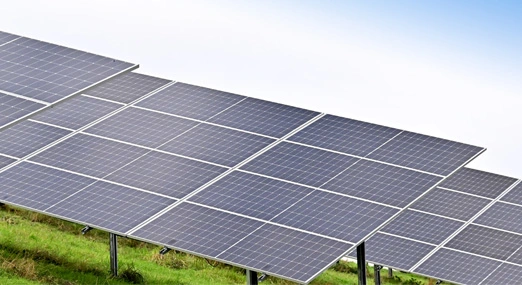
More than 6,500 MWh of electricity is now generated annually through onsite solar installations, saving over 1,150 tCO₂e, while further reductions have been achieved through investment in LED lighting, heating and ventilation upgrades, alongside building efficiency improvements.
Operational measures introduced during the year also reduced energy consumption by a further 543 MWh, saving around 100 tCO₂e.
Following a successful trial, BHX expanded its use of Hydrotreated Vegetable Oil (HVO) fuelled vehicles during the reporting period due to its significant environmental advantages. Made entirely from renewable waste, this green diesel alternative improves local air quality and slashes carbon emissions by 90%. The airport’s use of HVO has avoided an estimated 131 tonnes of carbon emissions compared with conventional diesel use.
As a result of these measures, emissions per passenger fell by 16% over the year, demonstrating continued improvements in operational efficiency.
BHX also achieved Carbon Accreditation Level 4 for the first time earlier this year in recognition of the improvements made.
Tom Denton, Head of Sustainability at Birmingham Airport said: “We’re incredibly proud to share that this period has been the most successful in reducing our carbon emissions yet. Reducing emissions requires consistent action over many years rather than a single initiative, and these results reflect the cumulative impact of investments we have made across the airport.
“We are focused on delivering changes that effectively reduce our environmental impact while supporting the needs of passengers, airlines and the Midlands region.”
The airport remains committed to achieving net zero carbon emissions from its direct operations by 2033 and continues to identify opportunities to further reduce energy demand. Alongside action within its own operations, the airport is increasingly focused on emissions that occur beyond its direct control. Working with its third-party partners and suppliers, BHX is supporting efforts to reduce emissions associated with aircraft operations and passenger journeys to and from the airport.
This includes encouraging more sustainable surface access options and supporting the aviation sector’s transition towards lower-carbon fuels.
Tom Denton added, “We know we still have work to do, but it is clear we are on track to achieve our net zero goal. Every year we are reducing the emissions associated with running the airport and we are determined to maintain that momentum.”
For the latest Birmingham Airport news, please visit the Media Centre here.